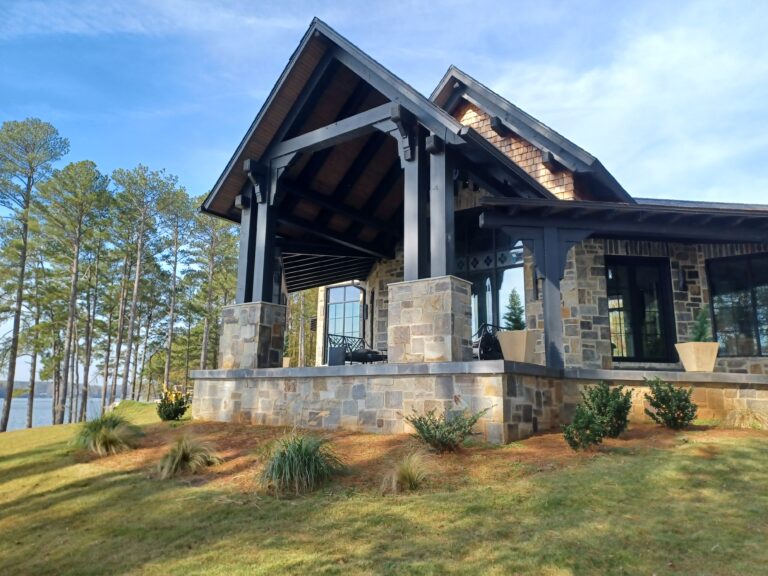
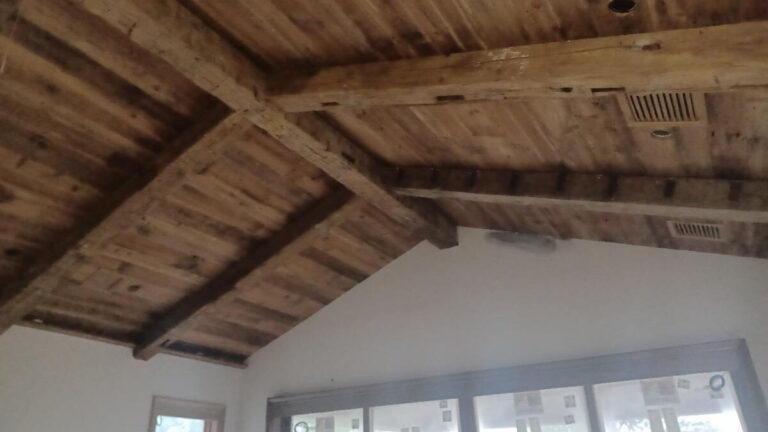
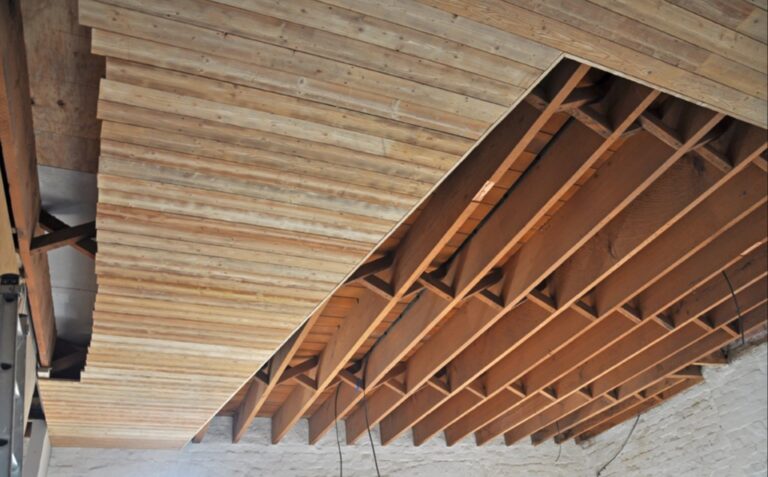
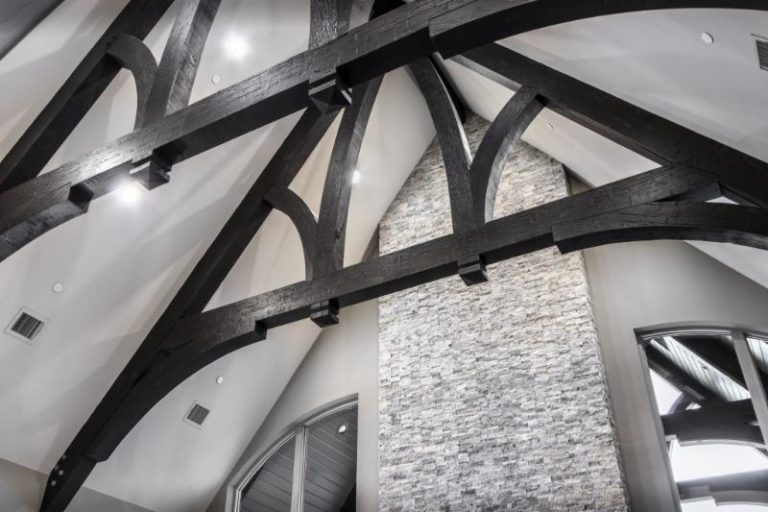
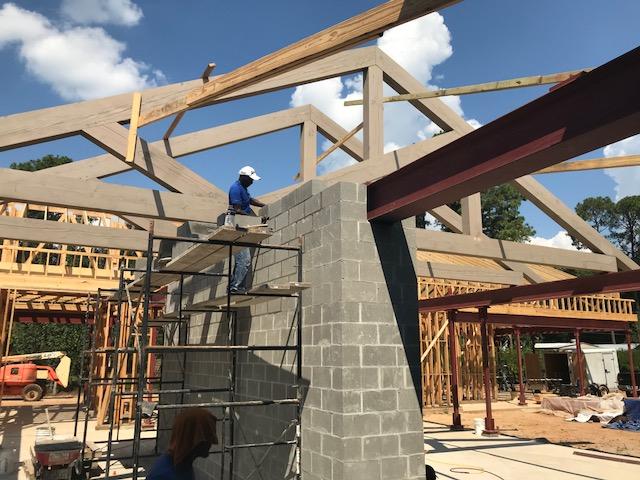
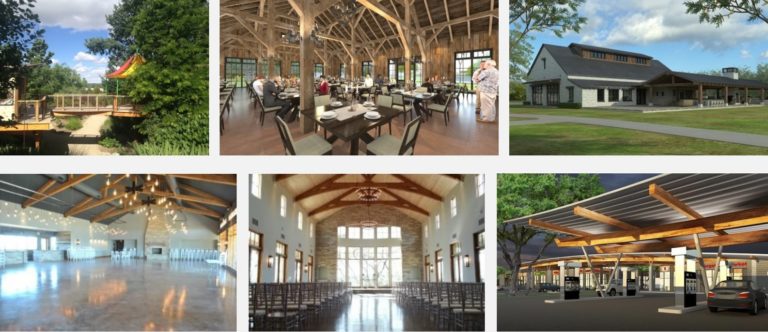
Our highlighted material this week is Black Locust (Robinia pseudoacacia). Native to the Southeastern United States but widely planted in the eastern half of the country, Black Locust grows very rapidly and easily reaches 60′ tall. Spreading naturally through underground stems, Black Locust, when cut, will send up shoots that grow into new trees. Based upon this growth habit it is one of the most sustainable woods you can use.
We are now providing Black Locust milled lumber which is FSC Certified. A wonderful alternative to tropical hardwoods, the Rainforest Alliance promotes it as one of the most preferred alternatives to tropical hardwoods in outdoor applications. A reduced carbon footprint is an added benefit.
Locust wood is very heavy, very hard, and exceedingly strong with a Janka Hardness Rating superior to White Oak. Highly resistant to rot because of natural extractive compounds that impart water resistance and have antifungal properties, Locust will last 50+ years without significant decay. This makes it a great alternative to chemically treated lumber and tropical woods.
Equally suited for decking, furniture, paneling, and siding as well as fencing, Black Locust is an extremely versatile wood. Please review these images and let your imagination think of uses for this wonderful material in your upcoming projects.
Black Locust Split Rail Fencing
Another use for this species is for fine split rail fencing. American Chestnut was the species of choice for this type of fencing until it was decimated after the turn of the century. Since that time, Black Locust has been the preferred substitute. A wonderful rustic elegant way to define property and create a timeless character on estates, farms and ranch properties, Locust fencing has the advantage of extreme rot resistance and strength when compared to Western Red Cedar.
We can supply this material in large or small quantities with significant saving on larger orders. Please note the different ways in which this material can be configured. I especially enjoy the tumbled rock wall with split rail cap.